
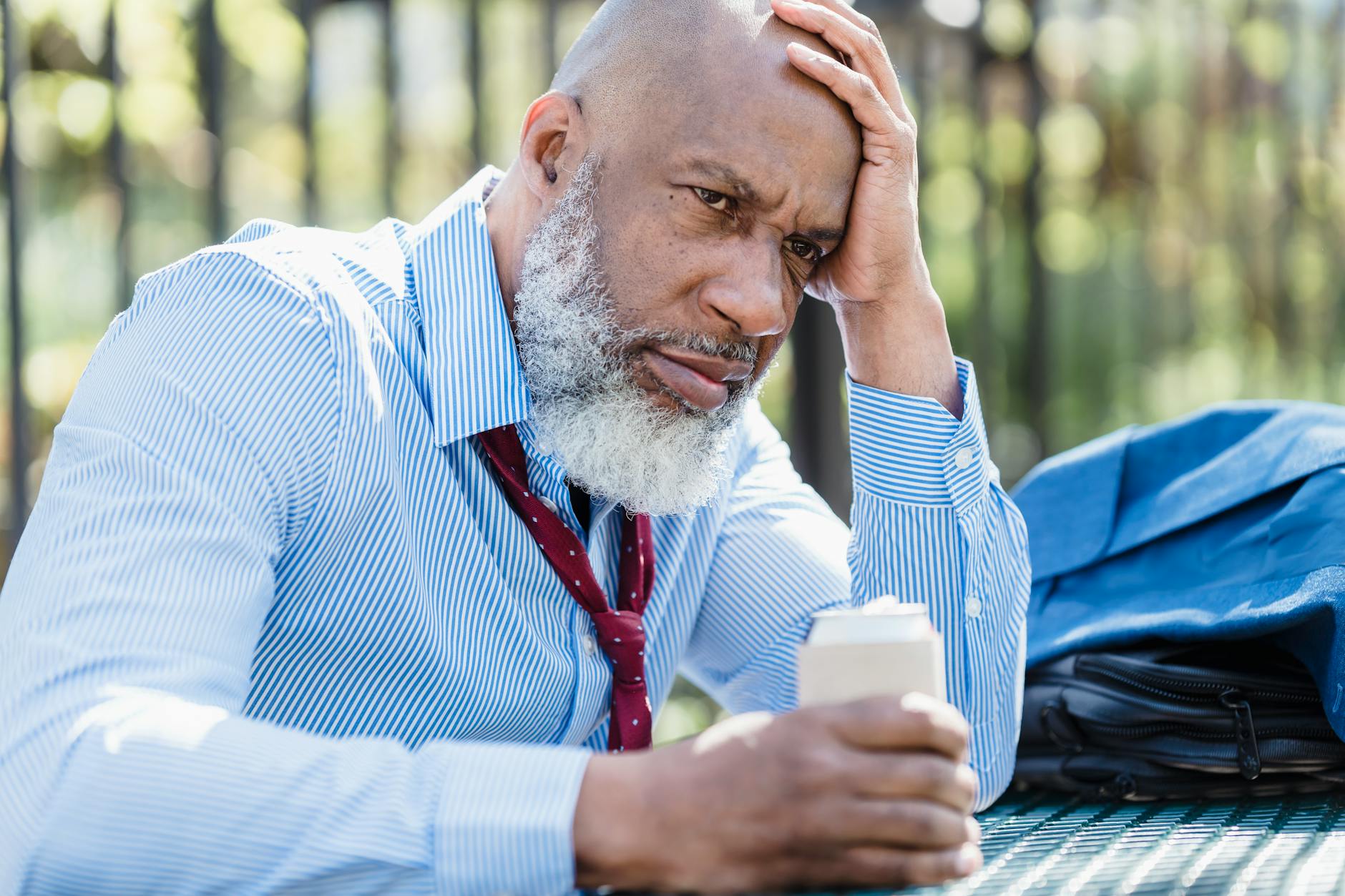
Alcohol turned into a big deal when I made it one. Nobody asked me to get sober. I did it for myself. Surprisingly, in the beginning my family members were not happy with my choice. During my first social outings that included alcohol following rehab my friends had so many questions. At the time I didn’t have the answers. I kept quiet, not wanting to cause any problems with alcohol among my friends who still enjoyed living life drunk.
What prompted change?
It’s easy to blame an arrest, but the arrest only set my plan in motion. I stepped out of denial well before I stopped drinking. Each time I woke from a night of binging with my friends I always asked myself why do I keep doing it?
My lifestyle had become unmanageable and I knew it. I just didn’t have the courage to make the necessary changes that would foster a healthy lifestyle, nor did I want to. I was having too much fun and didn’t know any other way.
“Daylight creeps in, waking me from the darkness that fills my mind. My mind is in motion, while my memories freeze still.”
Introduction, Swallow Your Pride, ©️2025
Lying still in my bed, I wake to the movement of the room. Nothing stands still, the room is spinning. I remember it like it was yesterday, but it was five years ago. That was the last time I had that feeling, the sensation of alcohol swirling around my head. It has a name “Nystagmus.” Try saying that drunk.
Positional alcohol nystagmus (PAN) is when the alcohol enters the cupula in the inner ear faster than the surrounding fluid, causing hair cells to bend and send false rotation signals to the brain.
This was happening weekly for a good year (March, 2020-2021). March 17, 2021 is the last time I binged on alcohol. Except that night I didn’t go to sleep, instead laid on a cot as the jail cell spun out of control.
Prior to that faithful night I kept drinking alcohol even when I knew it wasn’t good. Insane. Right? This post isn’t about answers but the questions.
Is this insanity?
Why did I keep doing it?
Insanity is doing the same thing over and over again while expecting different results. Although I knew it was wrong and I no longer wanted to do it I couldn’t stop on my own. Most of my family members and friends drank. Who would help me?
For thirty+ years I’ve been doing it. Drinking to get drunk. I didn’t know any other way to live. I was unaware of the support groups for alcoholics, let alone all the other afflictions we humans face. Hell I thought people who attended these meetings were all sick. I didn’t want to be one of them.
My lifestyle habits turned into something more damning during the lockdown. I found myself battling a full blown addiction. I started craving alcohol in the morning, counting down the hours until evening drinks. How does one get sober when they live with their favorite drinking buddy?
I couldn’t ask my family and friends because they drank just like me.
Who helped?
My attempts to remain sober, at least not get drunk, proved that I couldn’t do it on my own. That is when God stepped in. He created the master plan, “Let’s give her some trouble and test her.” He’s genius.
Once God intervened I found a whole support network. Sane people who have accepted their problems with alcohol. Their stories are inspiring and the wisdom they possess have taught me so much.
God places people in our lives for a variety of reasons. He uses people to tempt us and encourage us. Other people help to hold us accountable. God doesn’t just use our poor choices but people.
Here I am five years sober. But am I?
Staying active in recovery groups helps me maintain a healthy lifestyle, one that keeps me from abusing alcohol. Writing allows me to work through my struggles and face my realities. While sharing to social media keeps me accountable.
But I really could not have done it without God.
What have I learned the last five years?
- I learned people don’t like to talk about their drinking.
- Alcohol is not my favorite topic to write about.
- That it takes abstinence to fully comprehend the alcoholic.
- Alcoholism is treatable but doesn’t necessarily go away.
- Alcohol doesn’t just impact the problem drinker but everyone whose lives are touched by it.
- It is possible to drink as a normal person even after you diagnose yourself as an alcoholic.
What’s the problem?
Denial
Here’s the problem people don’t want to talk about it. It’s easier to deny the potential problem, keep enjoying the alcohol and suffer. To read about it forces people to omit that maybe they too have a problem.
At first my own family didn’t want me to write about it. I had to change the way I viewed alcohol, removing alcohol as the problem. This is when I stepped out of denial, recognizing that maybe it really isn’t about the alcohol but me.
Why me and not alcohol?
Not the Alcohol
While I wrote a handful of posts on alcohol, my posts written about marriage got more attention. However, posting about character defects got less attention than alcohol. Which proves that most people want to remain in denial that they are the source of their own problems.
This creates a bigger problem. How do we reach an audience who doesn’t want to admit their problems? No longer can I blame the alcohol for my behavior, drunk or sober. Even sober people act out of their alcoholic behaviors. The sickness is greater than taking the drink.
Did you know you can be an alcoholic without consuming the alcohol?
Who is an alcoholic?
Introspection
It’s not easy to address alcohol with people who really enjoy their drinking. And it’s not my job to diagnose another person. However, I abstained from drinking eighteen months to determine if I indeed had ongoing struggles with alcohol.
Alcohol exasperated my problems and only provided short-term relief. I discovered the roots of my problems through analyzing current behaviors. When I work my program and utilize my tools my alcoholic problems are being solved.
If once an alcoholic are we always an alcoholic?
Diagnosis
First off the good news is that not everyone who drinks is alcoholic. Few might be considered problem drinkers, while others are just normal. So what’s the criteria to be considered an alcoholic?
The National Institute on Alcohol Abuse and Alcoholism shares this comprehensive article on Alcohol Use Disorder. Individually it’s our job to diagnose ourselves as alcoholic. When I initially considered the symptoms I met the criteria of being an alcoholic. Today I do not.
Alcohol is cunning and baffling so what if I am being fooled?
How do I know if I’m at risk?
Coping Skills
If you have struggled with maintaining sobriety in the past it may not be a good idea to start drinking again. My main problem over thirty years of my life was binge drinking. I didn’t always want the fun to end. Alcohol wasn’t something I wanted in my everyday life.
I could easily go without alcohol until my life became unmanageable. Alcohol was used as an escape because I was ill-prepared to handle what life threw at me. I had become dependent on it. At first it was recreational but quickly turned into something else. I needed to find healthy alternatives.
What part does faith play in my recovery?
The Tools
We are all at risk for a break down that is why it’s so important to work a program. Not just show up but use the tools that are at our disposal. Otherwise, we are at risk for relapse.
Like automobiles, we require tools to maintain our recovery. Did you know that tools are available to help you maintain sobriety? The most powerful tool I have on my toolbelt is God. The focus isn’t on the alcohol rather building a relationship with God and reading His Words each day.
We can fix ourselves but how do we fix others?
The Family Disease
Alcohol is considered a disease. Alcohol Use Disorder is a chronic, relapsing brain disease characterized by an inability to stop or control alcohol consumption despite significant social, occupational, or health consequences. It’s said to not have a known cure. Or does it?
Alcoholism is treatable. We can only treat ourselves, not others. And some underlying genetic issues can lead to drinking problems. Genetics are responsible at placing 50% at risk for developing AUD (Alcohol Use Disorder).
Families are made of relationships, each unique. Just as I develop my own relationship with my heavenly Father, my family members may or may not have a relationship with their creator. Faith-based relationships are personal and cannot be forced.
Does anyone in your family or did anyone struggle with alcohol?
What should we do with the problem of alcohol?
Support Groups
Alcoholic Anonymous
There are twelve step programs that focus on alcohol and offer the tools to live with alcoholism. They focus on surrendering what we fail to control ourselves; take inventory of our past, look for the roots of the problem and create an ideal to work towards; make amends and seek forgiveness; and ongoing service.
What about if you no longer identify as an alcoholic?
When I spent eighteen months in recovery for alcohol, each meeting I had to say, “My name is Karen and I’m an alcoholic.” There is nothing wrong with identifying as an alcoholic but that’s not who I am. Today I say, “My name is Karen and I’m a faithful believer of Christ.”
Faith-based Healing
I am a child of God, created in His image including all the imperfections that make me perfect in His eyes. Celebrate Recovery is more than an alcohol program but a program that focuses on hurts, hang ups, and addictions. My needs were greater than what the secular program offered.
I remain in recovery but my focus is not alcohol but ongoing healing. Over our lifetime we accumulate years of baggage. Focus needs to be placed on the root problem, not how we numb the problem. And I find comfort in a relationship with Christ in my recovery.
What do you need to overcome a friend or family member’s problem with alcohol?
Don’t treat the alcoholic, treat yourself.
How do we treat our family member who struggles with alcohol? We don’t. The answer is that we get help, not for the alcoholic but for ourselves. It’s not our job to control or manage another person’s life.
There are groups available for those who have family members and friends who struggle with alcohol. Al-Anon is a support group designed for individuals, typically family members or other loved ones, affected by someone else’s alcoholism, whether or not that person has sought treatment or undergone treatment.
Has this post helped you with your struggles with alcohol or a family member?
To find out more about my journey be sure to pick up a copy of Swallow Your Pride, A Writer’s Guide for Recovery.


Leave a Reply